
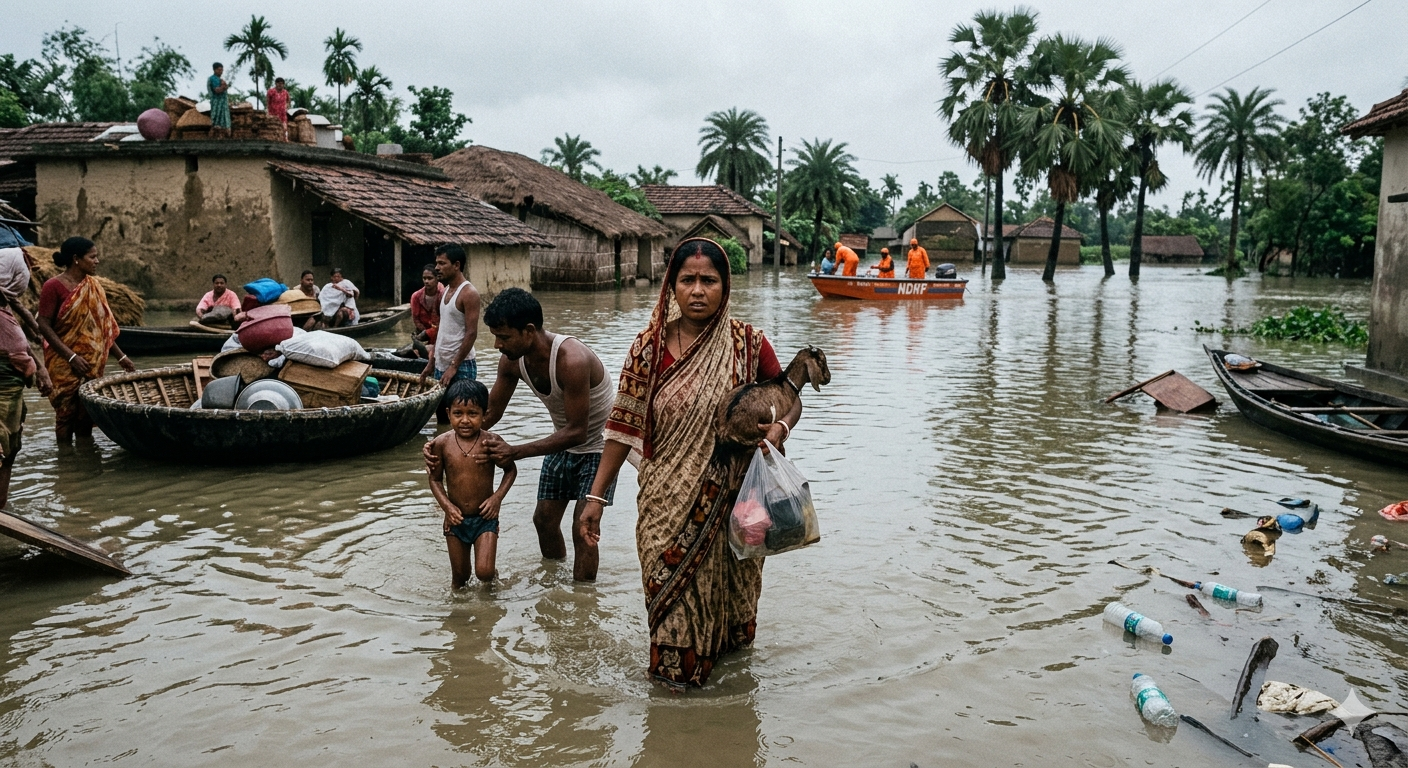
Natural Disasters in India: Causes, Types, and Impact
India is one of the most disaster-prone countries in the world due to its diverse geography, climate conditions, and large population. From earthquakes in the Himalayan region to cyclones along the eastern coast, natural disasters frequently affect different parts of the country. These disasters cause loss of life, destruction of property, and major economic setbacks. Understanding natural disasters and improving disaster management strategies are essential for reducing their impact.
Major Types of Natural Disasters in India
1. Floods
Floods are the most common natural disaster in India. Heavy monsoon rains, overflowing rivers, and poor drainage systems often lead to severe flooding. States such as Assam, Bihar, Uttar Pradesh, and Odisha frequently experience floods every year. Floods damage crops, homes, and infrastructure, and they displace thousands of people.
2. Cyclones
India’s eastern and western coastal regions are highly vulnerable to cyclones. The Bay of Bengal is particularly known for generating powerful cyclones that affect states like Odisha, West Bengal, Andhra Pradesh, and Tamil Nadu. A notable example is the 1999 Odisha Cyclone, which caused massive destruction and thousands of deaths.
3. Earthquakes
India is located near the boundary of several tectonic plates, making some regions prone to earthquakes. The Himalayan belt, parts of Gujarat, and the northeastern states are considered high-risk zones. A devastating example is the 2001 Gujarat Earthquake, which killed thousands of people and destroyed entire towns.
4. Droughts
Drought occurs when there is a prolonged period of low rainfall. Many parts of Rajasthan, Maharashtra, and Karnataka face drought conditions during weak monsoon seasons. Droughts lead to water shortages, crop failures, and economic hardship for farmers.
5. Landslides
Landslides commonly occur in hilly and mountainous areas such as the Himalayas and Western Ghats. Heavy rainfall, earthquakes, and human activities like deforestation can trigger landslides. These disasters block roads, damage houses, and sometimes bury entire villages.
Causes of Natural Disasters
Natural disasters in India occur due to several reasons, including:
- Climate change, which increases extreme weather events
- Deforestation and environmental degradation
- Rapid urbanization and poor planning
- Geographical vulnerability, such as coastal areas and seismic zones
Impact on Society and Economy
Natural disasters affect millions of people every year in India. They lead to:
- Loss of human lives
- Damage to homes and infrastructure
- Agricultural losses
- Disruption of transportation and communication systems
- Long-term economic and social problems
Disaster Management in India
To reduce the impact of disasters, the government has taken several measures. The National Disaster Management Authority (NDMA) was established to plan and coordinate disaster management activities. Early warning systems, evacuation plans, and disaster-resilient infrastructure are also being developed to protect people.
Conclusion
Natural disasters are a major challenge for India due to its geography and climate. However, with proper planning, awareness, and improved disaster management systems, the damage caused by these disasters can be minimized. Cooperation between the government, communities, and organizations is essential to build a safer and more resilient future.